pipe liner cco Exporters
Pipes used in mining, cement, power, steel, and mineral processing industries often carry materials that can cause heavy wear. Sand, minerals, coal, slurry, and other abrasive materials continuously rub against the inside surface of a pipe. Over time, this can make the pipe thinner and reduce its working life.
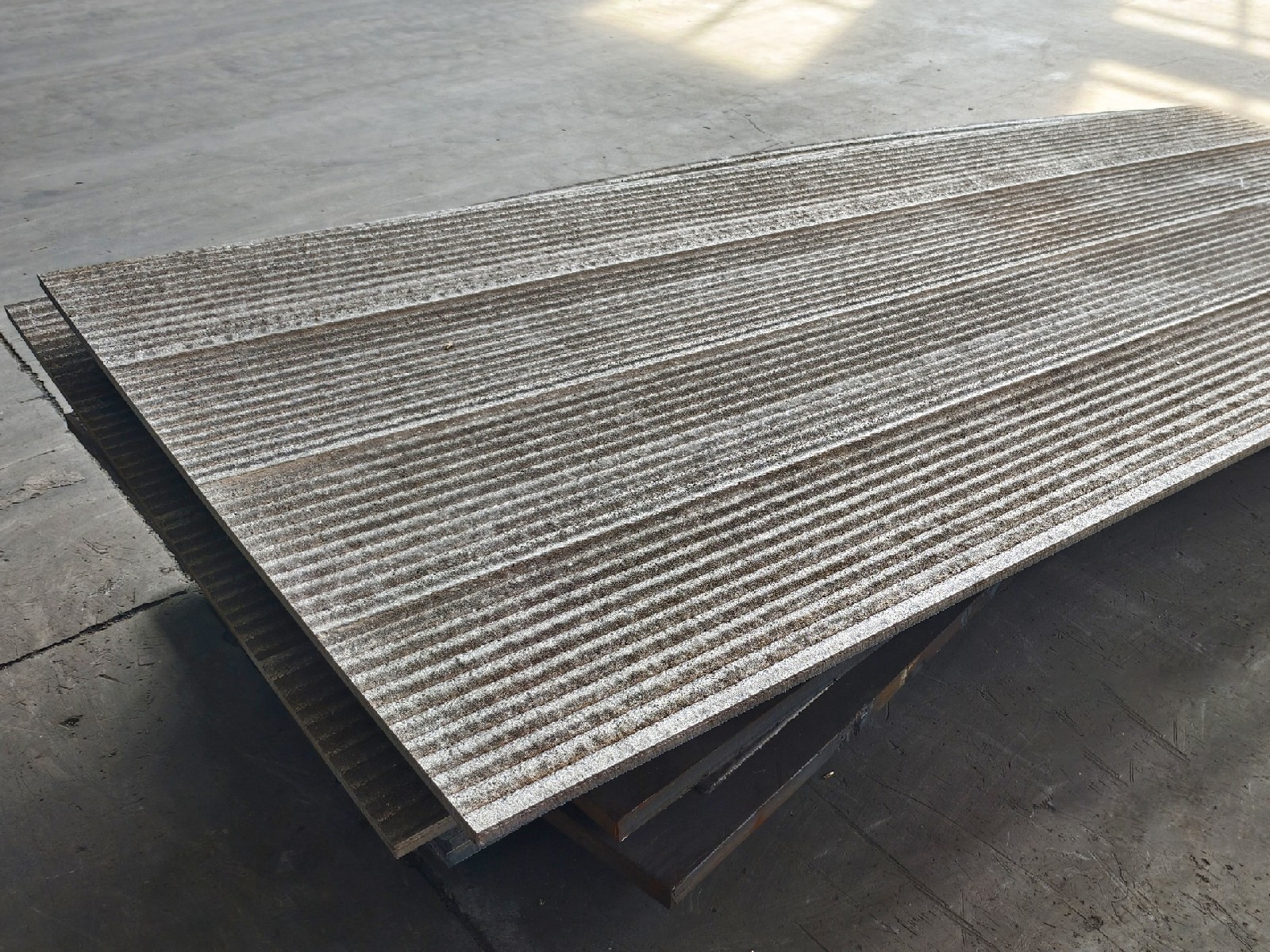
Pipe Liner CCO is one solution used to protect pipes from severe abrasion. CCO stands for Chromium Carbide Overlay. It is a hard, wear-resistant layer applied to a steel base. When used as a pipe liner, it creates a strong protective surface between the pipe and the material moving through it.
What Is a Pipe Liner CCO?
A CCO pipe liner is made using a steel base with a hard chromium carbide overlay on its surface. The steel base provides strength and support, while the chromium carbide layer provides high resistance to abrasive wear.
The liner can be installed inside pipes that carry abrasive materials. Instead of allowing the pipe wall to take all the wear, the CCO liner absorbs much of the abrasion.
This makes it useful for applications where ordinary steel pipes may wear out too quickly.
What Does CCO Mean?
CCO means Chromium Carbide Overlay.
The overlay is produced by depositing a chromium-rich wear-resistant alloy onto a steel base using a welding process. During this process, hard chromium carbide particles form in the deposited layer.
These hard particles provide strong resistance to scratching, cutting, and sliding abrasion.
The result is a wear-resistant surface that can protect equipment exposed to aggressive materials.
Why Do Pipes Need CCO Liners?
Pipes carrying abrasive materials can wear from the inside.
For example, a slurry pipeline may carry water mixed with sand or minerals. As the slurry moves through the pipe, solid particles continuously contact the pipe wall.
The wear can become especially serious in:
- Pipe bends
- Elbows
- Reducers
- Tee sections
- Discharge lines
- High-flow areas
- Material transfer sections
A CCO liner can protect these high-wear areas and help extend the service life of the pipe.
How Does a CCO Pipe Liner Work?
The basic idea is simple.
The pipe carries the abrasive material, while the CCO liner acts as a protective barrier.
When sand, minerals, or other hard particles move through the pipe, they come into contact with the hard liner surface instead of directly wearing the pipe wall.
As the liner gradually wears, it can continue protecting the underlying pipe until it reaches the end of its useful service life.
This approach can be more practical than replacing an entire pipe whenever the internal surface becomes worn.
Main Benefits of Pipe Liner CCO
High Abrasion Resistance
The main advantage of CCO is its ability to resist severe abrasive wear. It is suitable for applications where materials continuously rub against the surface.
Longer Pipe Life
By protecting the inner pipe wall, a CCO liner can help increase the service life of the pipe.
Reduced Maintenance
Longer wear life can mean fewer shutdowns for pipe repair or replacement.
Lower Replacement Frequency
A protected pipe may not need to be replaced as often as an unprotected pipe operating under the same abrasive conditions.
Protection of High-Wear Areas
CCO liners are particularly useful in locations where wear is much higher than in straight sections of a pipeline.
Where Are CCO Pipe Liners Used?
CCO pipe liners are used in industries that handle abrasive materials.
Mining Industry
Mining operations often move ore, minerals, sand, and slurry through pipelines. These materials can cause severe internal pipe wear.
CCO liners can help protect pipelines and components used in mineral handling systems.
Cement Industry
Cement plants handle raw materials, clinker, dust, and other abrasive substances. CCO protection can be used in selected areas exposed to high abrasion.
Steel Industry
Steel plants use equipment that handles iron ore, coal, ash, slag, and other abrasive materials. Wear-resistant liners can protect pipes and material-handling equipment.
Power Plants
Some power-generation systems handle coal, ash, and slurry. These materials can cause significant abrasion in pipelines and related equipment.
Mineral Processing
Mineral processing plants often transport mixtures containing water and solid particles. CCO liners can provide protection in areas exposed to continuous abrasive flow.
CCO Pipe Liners for Slurry Applications
Slurry is a mixture of liquid and solid particles. Depending on the material, slurry can be highly abrasive.
Sand slurry, mineral slurry, and other mixtures can quickly wear standard steel surfaces.
CCO pipe liners can be considered for applications where sliding abrasion is the main concern.
However, the correct liner should always be selected based on the actual working conditions. Heavy impact, high temperature, corrosion, and other factors may require a different wear-resistant material or design.
CCO Liners for Pipe Bends and Elbows
Pipe bends and elbows often experience more wear than straight pipe sections.
When abrasive material changes direction, particles can strike the outer or inner areas of the bend with greater force. This can create localized wear.
Installing a CCO liner in these areas can help protect the pipe from early failure.
In many systems, protecting the highest-wear locations first can provide a practical way to control maintenance costs.
Factors to Consider When Choosing a CCO Pipe Liner
Not every CCO liner is suitable for every application. Several factors should be checked before selecting one.
Type of Material
Consider what the pipe is carrying. Sand, iron ore, coal, cement, minerals, and slurry can produce different types of wear.
Particle Size
Large particles may create more impact, while fine particles moving continuously can cause severe sliding abrasion.
Flow Speed
Higher material velocity can increase the rate of wear.
Temperature
Operating temperature should be considered when selecting the liner and the base material.
Pipe Diameter
The liner design needs to match the internal diameter and geometry of the pipe.
Liner Thickness
Thickness should be selected according to the expected wear rate and available space inside the pipe.
Impact Level
CCO is excellent for many abrasive applications, but applications with very heavy impact may require a material with better impact resistance.
Installation of CCO Pipe Liners
Proper installation is important for good performance.
Depending on the design, liners may be attached using welding, mechanical fixing, or other suitable methods.
The liner should fit correctly inside the pipe, with attention given to joints and transitions.
Poor installation can lead to:
- Loose liners
- Gaps between sections
- Premature damage
- Material getting behind the liner
- Problems at pipe joints
The installation method should therefore be selected according to the pipe design and operating conditions.
Maintenance and Inspection
Even a highly wear-resistant liner should be inspected regularly.
Operators can check for:
- Surface cracks
- Excessive wear
- Loose sections
- Damaged joints
- Exposed base material
- Uneven wear
- Damage around bends and connections
Measuring wear thickness at regular intervals can also help predict when a liner may need replacement.
Planned maintenance is usually better than waiting for a pipe to fail unexpectedly.
CCO Pipe Liner vs. Ordinary Steel Pipe
Ordinary steel may be suitable for many low-wear applications. However, when a pipe continuously carries abrasive material, the internal surface can wear quickly.
A CCO-lined pipe provides an additional wear-resistant layer. This can make it a better choice for severe abrasion applications.
The correct choice should be based on the total operating cost, not only the initial purchase price. A longer-lasting liner can reduce repair work, replacement frequency, and production interruptions.
Conclusion
Pipe Liner CCO provides a practical way to protect pipes from severe abrasive wear. Its chromium carbide overlay creates a hard surface that can handle continuous contact with sand, minerals, slurry, coal, and other abrasive materials.
CCO liners are particularly useful in mining, cement, steel, power, and mineral processing applications. They can help extend pipe life, reduce maintenance, and protect high-wear areas such as bends and elbows.
The best results come from choosing the liner according to the actual application. Material type, particle size, flow speed, temperature, impact, pipe dimensions, and expected wear should all be considered.
With the right design, proper installation, and regular inspection, CCO pipe liners can provide long-lasting protection in demanding industrial environments.
For more details contact us-
Email-mukesh@chhajedsteel.com
Phone-+91-98215-13630
Website-https://www.hard-tuff.com/hardtuff-cco-wearplate-ht-edge-manufacturers-exporters-suppliers-stockists.html


Comments
Post a Comment